



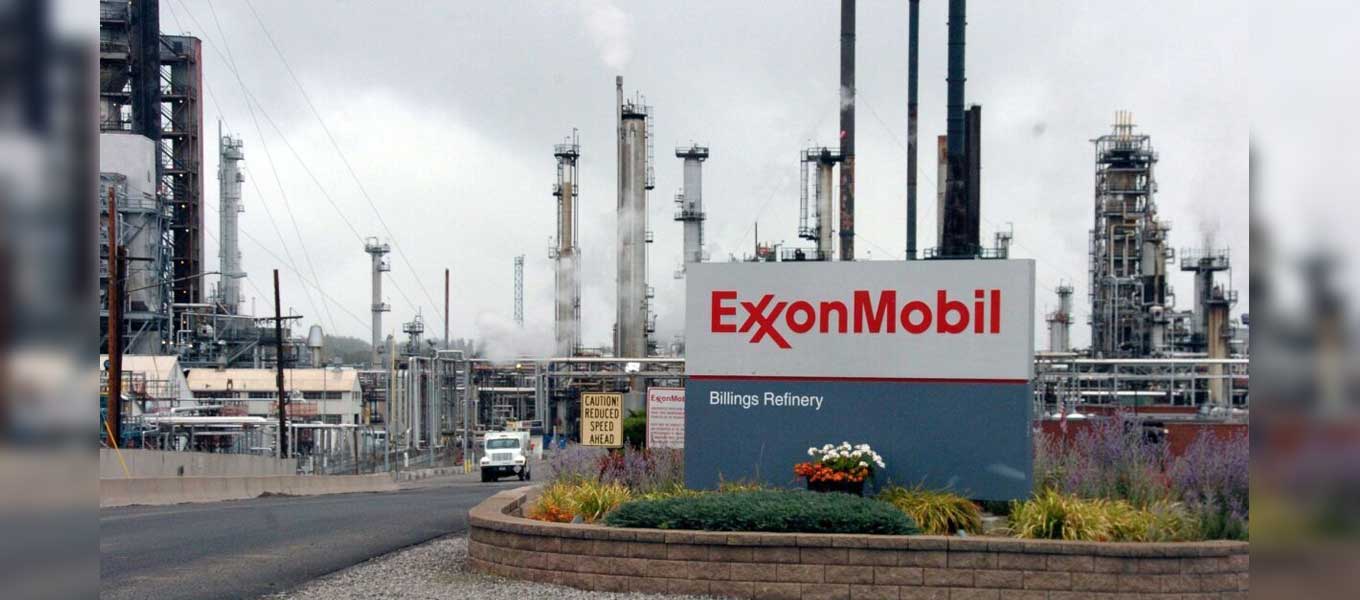
Exxon to leave Russia
US oil giant ExxonMobil follows in the footsteps of BP and Shell by cutting ties with Russia following the invasion of Ukraine.
Exxon said it was ‘discontinuing operations’ at the Sakhalin-1 oil and gas project in Russia’s far east and stopping investment in the country
Exxon said it would exit the leading oil and gas project and halt investment in Russia, making it the most recent western oil company to sever ties with the country after it invaded Ukraine.
The U.S.energy giant said it was halting operations at the Sakhalin-1 project in Russia’s far east, one of the country’s biggest foreign-operated oil and gas fields. Exxon follows BP, Shell, and others who have said they will drop projects and sell their holdings in Russian state-backed energy groups after the introduction of sanctions.
“Exxon supports the people of Ukraine as they seek to defend their freedom and determine their future as a nation, and we deplore Russia’s military action,” the company said.
The departure will increase pressure on the Russian oil and gas sector, which is heavily dependent on foreign investment and know-how. Exxon said it currently has over a thousand workers in Russia and has operated there for more than twenty-five years.
Exxon has operated the 220,000 barrels a day of oil-producing Sakhalin-1 plant, together with state-backed Russian producer Rosneft, plus companies from India and Japan.
It had also been pursuing a potential $9 billion liquefied natural gas export facility in the Russian east that would have linked to Sakhalin-1 but said it was stopping all new investment in the country.
Exxon did not say what the dollar cost to the company would be, although recent regulatory filings reported long-lived assets valued at around $4bn in Russia.
The US giant was forced to drop a joint venture with Rosneft in 2018 after the US increased sanctions initially imposed by President Obama in response to Moscow’s 2014 appropriation of Crimea.
The collaboration was a significant success for Exxon’s chief executive Rex Tillerson, who was given the Order of Friendship by Russian President Putin, the highest state honor given to foreigners, signifying the importance Putin saw in strengthening ties with the massive oil giant.
Exxon’s departure will intensify the pressure on other companies that have not said they will leave the country, such as French oil major Total and Swiss miner and commodity trader Glencore, who have announced they are to review their continued presence in the country.
Glencore owns a half of one percent stake in Rosneft, plus twenty-five percent of the smaller Russian oil producer Russneft, which it is preparing to dispose of. Glencore also owns ten percent of EN+, the metals company with a controlling interest in aluminum producer Rusal.
In addition to these holdings, Glencore’s influential trading division has several marketing deals and agreements with Russian commodity producers, although it has no operational presence in Russia. “The human impact of this conflict is devastating, and Glencore is looking to see how we can best provide humanitarian support for the people of Ukraine,” the company said.
Glencore’s investment in Rosneft is the hangover from a deal five years ago put together by Ivan Glasenberg, the then chief executive, which saw the company join forces with the Qatar Investment Authority (QIA) to take a 20 percent stake in the state-controlled oil producer.
The deal helped Glencore gain greater access to Rosneft’s oil, and, with that mission accomplished, it sold most of its holding to the Qatar Investment Authority in 2018. The statements from oil and commodities companies followed another day of upheaval in energy markets.
Although western governments have not included Russia’s energy exports in the sanctions, traders, and banks, are proceeding as if they are already the subject of restrictions.
Some European refiners are declining the chance to buy Russian oil, and some banks refuse to finance Russian commodity shipments.
Russia’s prize Ural crude oil has been trading at a huge discount of over $11 to Brent as regular buyers turn their backs. Traders estimate that as much as seventy percent of Russia’s oil exporters are finding it difficult to find buyers as the conflict in Ukraine continues.